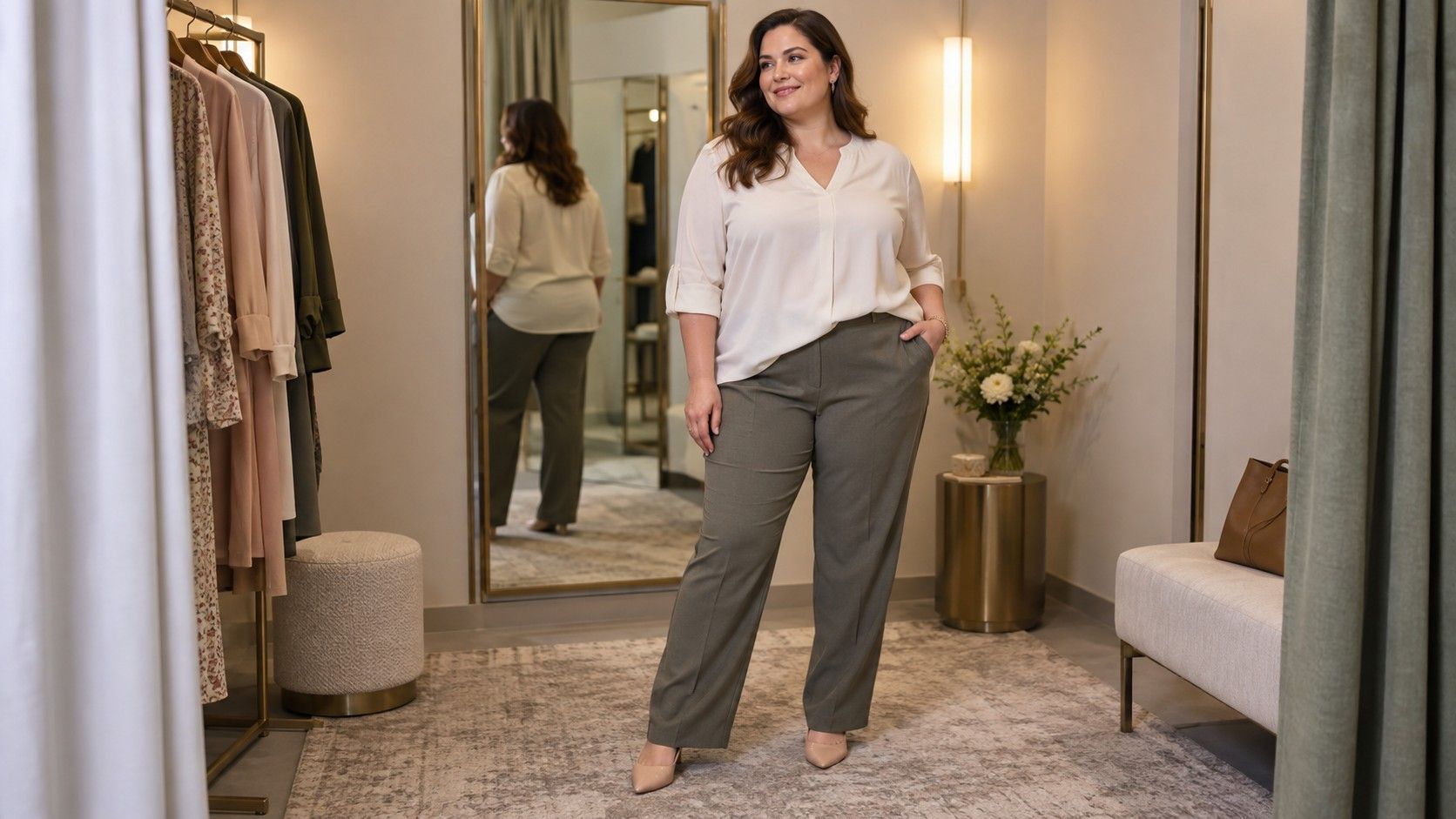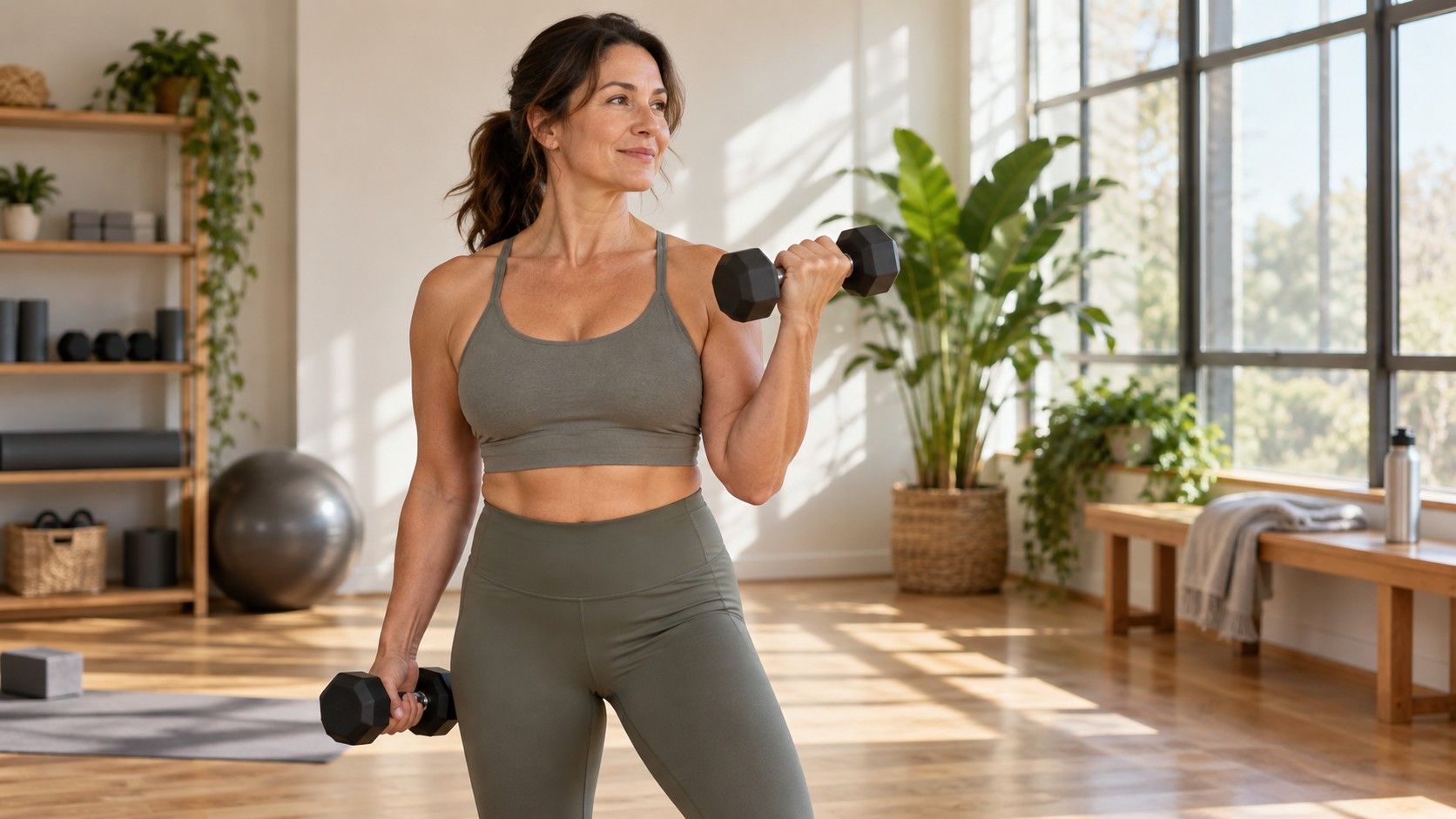
A body shape wardrobe does not need to begin with deciding whether you are an hourglass, rectangle, pear, apple, or anything else that sounds like it belongs in a produce drawer. Those labels can occasionally give you vocabulary, but they are too blunt to choose a coat length, a trouser rise, or the shoulder of a blazer. A more durable wardrobe comes from watching what happens on your actual body when clothes move: where a hem ends, where a waistband sits, which fabrics get worn, and which outfits you reach for without debate.
Turn observations into a small personal fit checklist
Start with clothing you already wear often, not with a shopping cart. Pick three outfits that make you feel physically at ease and visually like yourself. Lay them out and look for repeating construction details. Perhaps your favorite trousers have a mid or high rise, your preferred shirts have a shoulder seam that ends exactly at the shoulder point, or your best jackets finish around the high hip rather than halfway down the thigh. You are not searching for flattering rules. You are collecting evidence about proportion, comfort, and use.
Write the observations in plain language. Instead of “I need to elongate my torso,” try “I like a top that can be tucked without bunching.” Instead of “I must balance my hips,” write “I avoid stiff pockets that stand open at the hip.” This makes the list useful in a changing room. Add practical conditions as well: can I cycle or drive in it, can I sit at work, does it work with the shoes I own, does the neckline stay put? Personal style body shape advice becomes much kinder and more accurate when it includes ordinary life.
Choose two or three outfit formulas you can repeat
An outfit formula is not a uniform. It is a dependable arrangement that removes the blank-page feeling on a busy morning. A useful formula might be straight-leg jeans, a fitted or gently tucked knit, and a jacket that ends near the top of the hip. Another could be wide-leg trousers, a close-to-the-body tank, and an open shirt or cardigan. The point is to vary color, texture, and mood while keeping the proportions that already feel stable. When every item requires a special companion, the wardrobe looks larger than it behaves.
Try your formulas in front of a full mirror, then look at them through a phone photo from a few steps away. Photos flatten depth and can show why an outfit feels slightly off: perhaps both layers end at the same place, perhaps the trouser hem pools over every shoe, or perhaps the bag strap cuts across the only clean vertical line. Do not let a photograph overrule comfort, but use it as a second angle. If a formula works in both motion and a photo, it is a strong candidate for a repeat outfit.
| Wardrobe role | Proportion check | Question before buying |
|---|---|---|
| Jacket or overshirt | Where the hem meets the hip and hand position | Does it work open and closed with my usual bottoms? |
| Trousers or jeans | Rise, seat ease, and hem with shoes | Can I sit and walk without adjusting the waistband? |
| Dress | Shoulder fit and waist-seam placement | Would I wear this with shoes I already own? |
| Knit or top | Length when tucked, untucked, and layered | Does the fabric bunch under my outer layers? |
Build around fabrics and cuts you actually wear
Many wardrobe mistakes are not caused by color or body shape; they come from buying a fabric for an imaginary day. A crisp cotton shirt may look excellent on a hanger but stay unworn if you dislike ironing or if the collar presses against your neck. A fluid viscose trouser can give a graceful line, yet it may not suit a windy commute or a job that involves kneeling, stairs, and a crowded train. Look at your laundry basket. It is often a more honest style report than a saved inspiration board.
Notice where fabric changes the outline. A heavy knit adds visual width where it folds, so a boxy sweater may feel different over slim trousers than over a full skirt. A soft draping shirt may work under a structured jacket because it does not fight the sleeve. Denim with enough recovery can follow the body without stretching out by lunch; rigid denim may feel better in a looser cut with room at the hip. When you dress for your proportions, fabric behavior is as important as the pattern line printed on the label.
Use tailoring to solve a specific problem, not to rescue every purchase
A small alteration can turn a nearly-right item into a reliable one. Trouser hems are the obvious example: a few centimeters can decide whether a wide leg looks deliberate or simply drags. Shortening a sleeve can reveal the wrist and stop a blazer from swallowing the hand. Taking in a waist on a simple skirt may be straightforward when the hips already fit. These changes work best when the shoulder, armhole, rise, and overall fabric feel right at the start.
Do not buy an uncomfortable garment with a vague promise that tailoring will save it. Moving shoulders, changing a jacket’s armhole, or rebuilding a complicated lined dress can cost more than the piece deserves, and the result may still feel compromised. Before paying for alterations, ask a tailor what they would change and whether the seam allowance allows it. Bring the shoes and undergarments you plan to use. Good tailoring refines a choice; it should not be an admission that the original cut never worked.
Track what changes an outfit in photos and in real life
Keep short fit notes for a month. After an outfit earns a compliment, gets photographed, or simply makes an ordinary day easier, write down the components rather than the judgment. “Cropped cardigan, higher-rise trousers, flat loafers” is more useful than “looked good.” On the other side, record what annoyed you: backpack made the blazer bunch, skirt twisted after walking, belt loosened after lunch, neckline needed checking. This is not obsessive tracking; it is a way to stop buying the same near-miss in three colors.
There is a difference between an outfit that photographs well for ten seconds and one that remains comfortable through work, travel, weather, and dinner. Pay attention to both. A coat may look beautifully long in a mirror but be awkward on stairs. A short jacket may create a sharp line in photos but leave you cold every time you reach for a bus card. The best notes make room for style and logistics at once, because a wardrobe is a tool you live in, not a gallery wall.
Let body-shape ideas expand your choices rather than shrink them
Use labels only when they reveal an option you had not considered. If you have been avoiding wide-leg trousers because someone said they are wrong for your body type, try a few rises and inseams with your own shoes. If you assume a defined waist is mandatory, test a column dress, a loose jumpsuit, or an untucked shirt with a clean shoulder line. The experiment may confirm a preference, or it may show that the old rule was never yours. Both outcomes are valuable.
A sustainable personal style is built through repetition, adjustment, and permission to change your mind. Keep a shopping list based on gaps in your real formulas: a second pair of trousers that works with existing tops, a lighter jacket for warm weather, a dress that handles long dinners, a swim cover-up that does not require special shoes. That list will do more for your wardrobe than any fixed body-shape chart. It directs money toward pieces that already have a place in your life and leaves room for the occasional item chosen purely because it is interesting.