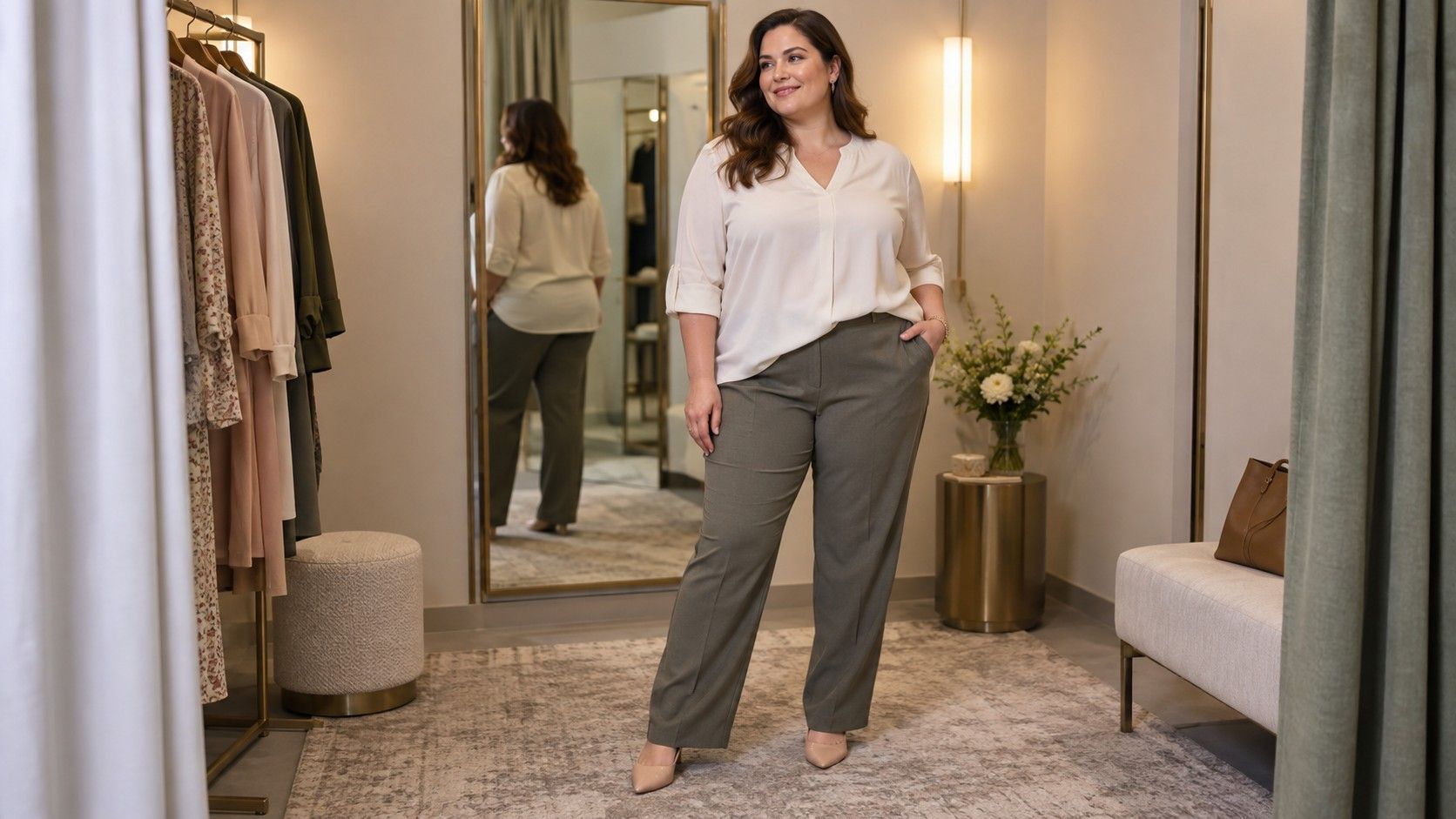
Body shape can change in visible ways over time, but it rarely changes according to a neat chart. Weight, muscle, posture, hormones, pregnancy, injury, aging and everyday routine can all affect measurements and the way clothes hang. The most useful response is not to chase a new label. It is to notice what has changed, update fit information, and choose clothes that work for the body you have now.
Which measurements can change over time
Weight changes do not distribute identically from one person to another. One person may notice first in the waist or face, another in the hips, thighs, bust or upper arms. Genetics, hormones, medication, sleep, stress and life stage can all play a part. That is why the answer to “does weight loss change body shape” is usually “it can change your measurements and outline, but not in a predictable pattern.”
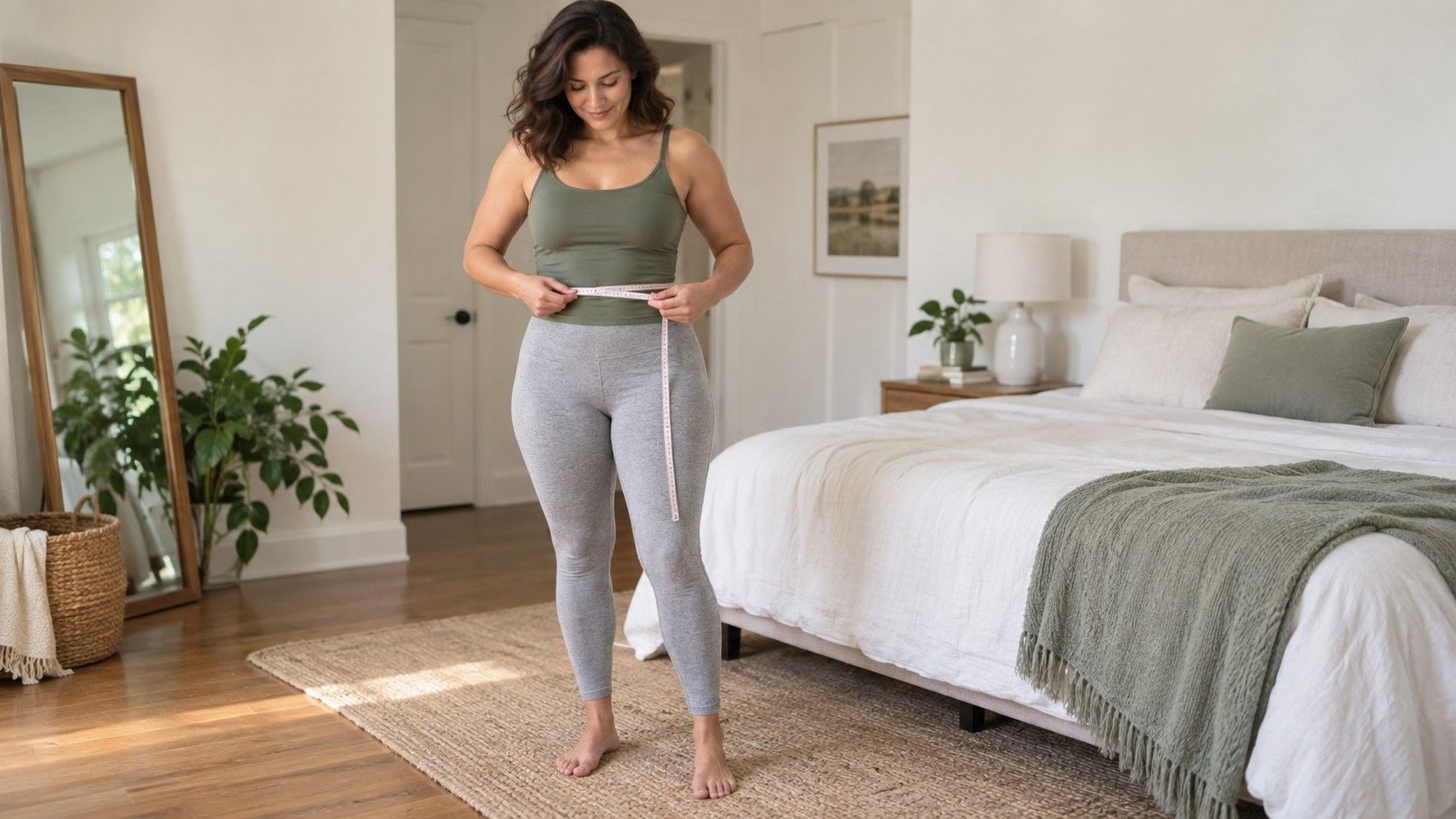
Take measurements for clothing only when they serve a purpose. A flexible tape around the fullest bust, natural waist and fullest hip gives a useful baseline for dresses and trousers. Add shoulder width, torso length, rise and inseam when those are common fit problems. Measure in similar underwear, without pulling the tape tight, and note the date. A single number is less useful than a small record that explains why last year’s trousers now sit differently.
Photographs can help, provided they are treated kindly. Use the same relaxed stance, neutral light and similar clothes if you want to compare fit over several months. Avoid using a photo as a verdict on progress or worth. The practical question is whether the waistband, shoulder seam and hem work for your day, not whether an outline resembles a category from a quiz.
Why an old label may stop helping with your wardrobe
Shape labels are broad descriptions of proportion. They can be a starting point for styling, but they do not account for changes in bra fit, posture, muscle, abdominal comfort or where you like a waistband to sit. Someone who once described themselves as an hourglass may find that a formerly fitted dress now pulls at the ribcage, while the waist still feels defined. Someone with a straight outline may build glute or shoulder muscle and prefer different jacket and trouser cuts. Neither change requires a new identity.
Use the clothes you wear most as evidence. If three pairs of trousers pinch at the lower stomach but fit the hips, the issue may be rise, fabric rigidity or waist shaping rather than a change in body shape. If shirts feel tight across the upper back after rowing or strength training, look for a little more back width, a stretch woven fabric or a dropped armhole. Naming the garment problem makes shopping much easier than searching for a universal category.
| What you notice | Possible practical cause | Useful clothing check |
|---|---|---|
| Waistbands feel different | Weight distribution, bloating, rise preference | Compare front rise and waistband stretch |
| Jackets pull at the back | Upper-back or shoulder muscle, posture, narrow pattern | Check shoulder seam, armhole and back ease |
| Dresses fit differently at the bust | Bra fit, hormonal change, fabric recovery | Measure bust and test seated comfort |
| Leg shape feels different in trousers | Muscle change, weight change, altered activity | Check thigh width, knee placement and inseam |
Keeping one or two reference outfits is useful. Choose a pair of jeans, a woven shirt and a dress or jacket that you know well. Try them on occasionally without making it a ritual of judgement. They can show which measurement or ease preference has shifted and prevent the frustrating cycle of buying the same cut repeatedly because it worked years ago.
Exercise, posture and visual proportions
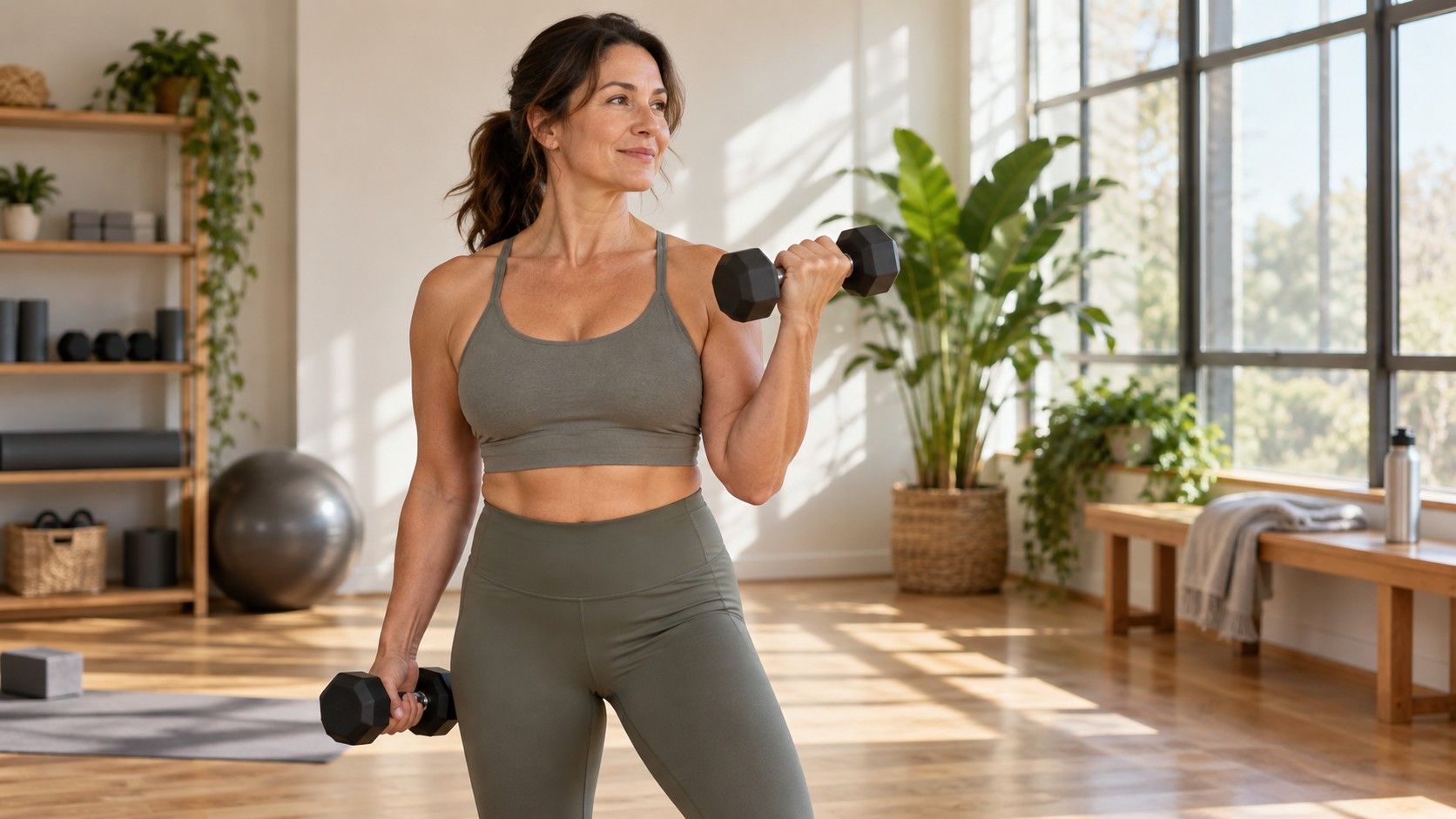
Exercise can change muscle mass and posture, both of which affect how clothes look. Strength work may add noticeable shape to the shoulders, upper back, glutes or thighs. Mobility work can make it easier to stand upright, which changes where a waistband and hem appear to land. None of this needs to be dramatic to matter in a fitted shirt or a blazer.
Posture is not a command to hold yourself rigidly. A relaxed stance is the most useful one for assessing clothes. If you only like a dress while sucking in your stomach or pinning your shoulders back, it is probably asking too much of you. Sit down, reach overhead, walk a few steps and carry a bag. Clothes should have enough ease for the movements you repeat in real life.
Muscle change also challenges simplistic rules. Wider shoulders may make you enjoy an open neckline, a softer jacket or trousers with more volume; it may also make you like crisp tailoring more than ever. Fuller glutes may change where a skirt sits without changing your preferred style. The body does not owe a style category consistency. Use the visual changes as information, then experiment.
Age, hormones and life events can alter fit without warning
Body shape changes are not only connected to diet or exercise. Puberty, pregnancy, postpartum recovery, perimenopause, menopause, illness, injury, new medication and normal aging can alter measurements, tissue distribution, energy, temperature comfort and what feels good against the skin. A change can be gradual enough that you only notice when a reliable garment suddenly feels unfamiliar.
Give yourself permission to reassess basics. A new bra fitting, underwear with a different waistband, softer trousers, a longer rise or less rigid tailoring can have more impact than trying to recreate an old outfit exactly. When shopping after a major change, start with a small set of flexible pieces rather than replacing everything at once: one pair of trousers, a comfortable layer, a top you can wash easily, and shoes that suit your current routine.
Unexpected or rapid changes, pain, persistent fatigue, unexplained swelling or eating concerns deserve medical attention rather than a style solution. Clothing can make daily life easier, but it cannot explain symptoms. Keeping that boundary clear is a form of body neutrality, not a reason to ignore what you notice.
Reassess fit without chasing a category
Set up a short fitting session at home when a season changes or a group of clothes stops working. Put on familiar items in daylight, then write plain observations: “the waist sits better one inch higher,” “the shoulder seam is too narrow,” “I want softer fabric at the stomach,” or “this skirt needs a different bra.” These details become a useful shopping list. “I need a whole new body type” does not.
Try small changes before deciding an item is impossible. A different bra, a half-tuck, a belt placed lower, an open cardigan, a trouser hem adjustment or a simple alteration can transform the proportion of an outfit. If the garment still asks you to ignore discomfort, let it go. Keeping a difficult piece as a test of whether your body returns to a past state rarely serves a wardrobe.
When buying new pieces, check the size chart each time and order for the largest relevant measurement if the fabric has little stretch. A tailor can often refine the waist or hem; it is much harder to create room through a tight shoulder, hip or thigh. Save notes about successful brands, rises and fabrics, but revisit them periodically. Brands change patterns and your preferences can change as well.
Update your style preferences after a change
There is room for pleasure in the reassessment. A changing body may lead you to discover trousers you once ignored, a neckline that feels better, or a looser silhouette that suits your current life. It may also leave your taste almost exactly the same. The goal is not to dress to disguise every change; it is to make decisions from current information rather than an outdated rule.
If a body-shape label remains helpful, use it lightly as a visual reference. If it becomes restrictive, drop it. The reliable markers are comfort, movement, fit and the feeling that an outfit belongs to you. Those can adapt to weight, age and exercise far better than any fixed category can.