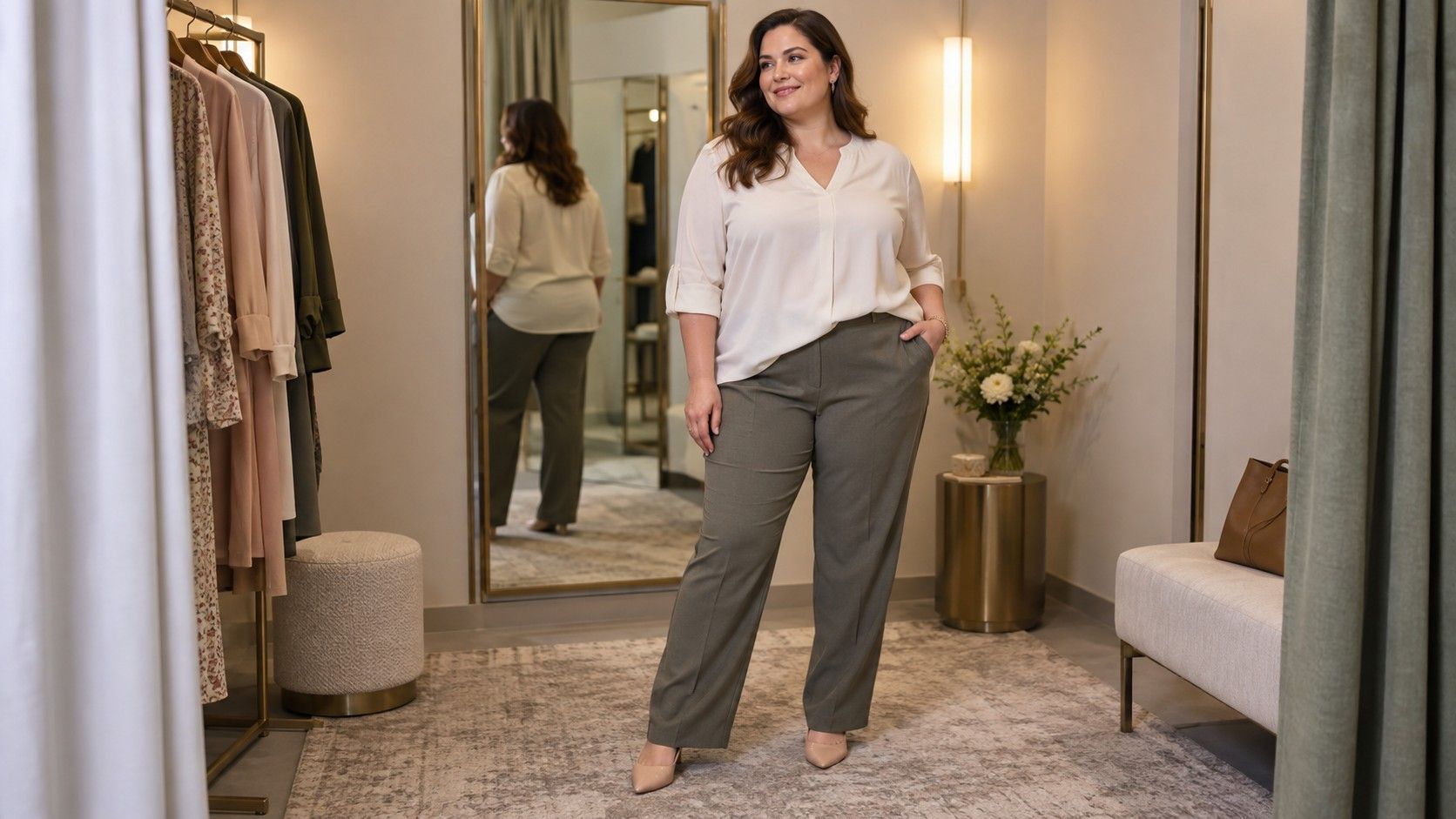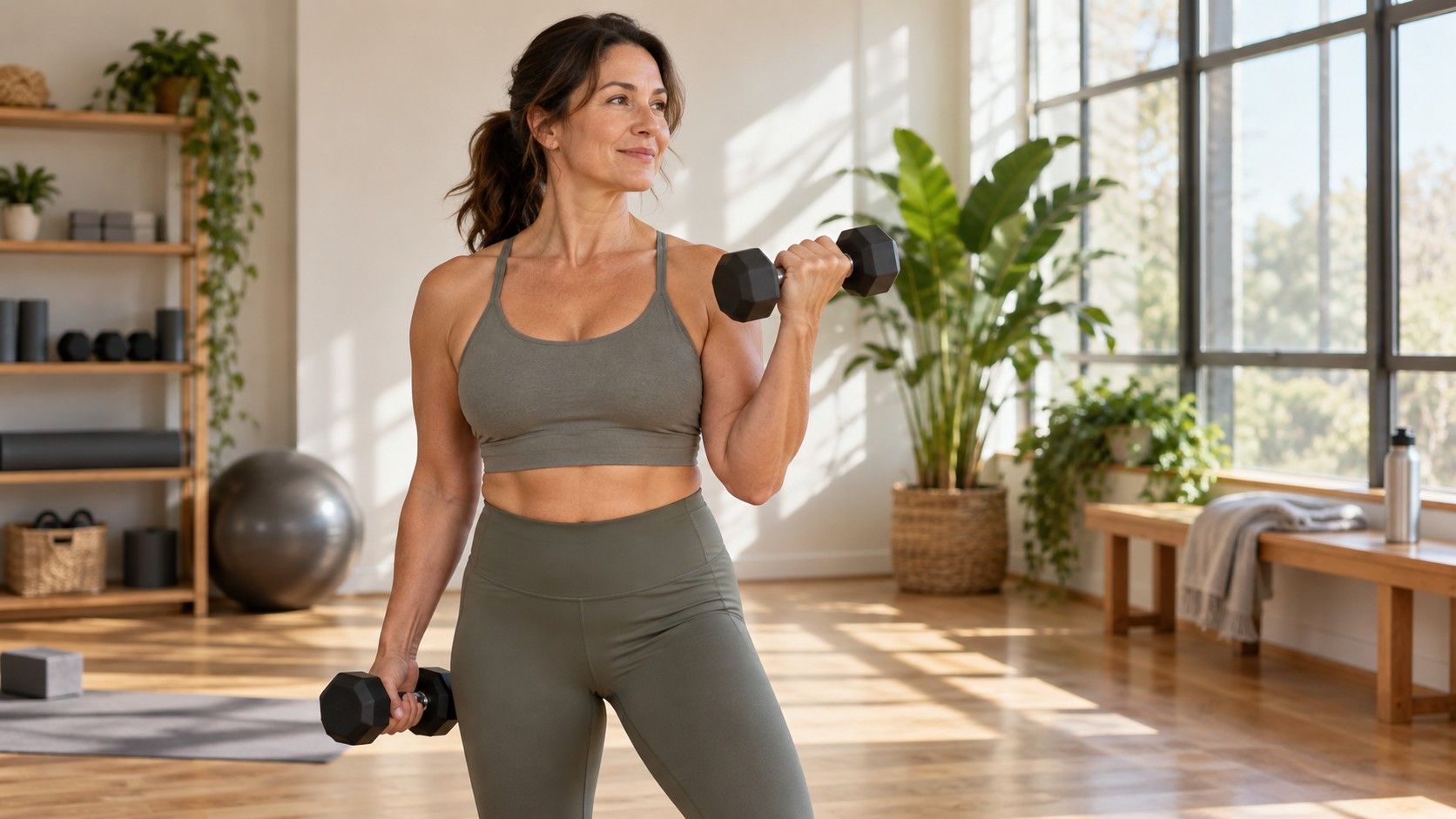
Body shape and body type are often used as if they mean the same thing. In everyday conversation that causes little harm, but the terms point to different things: one usually describes proportions, while the other may refer to build, physiology, fitness language or a clothing brand’s own sizing shorthand. Knowing the difference can make getting dressed less confusing, especially when a label promises to explain every outfit you have ever disliked.
Why the terms get mixed up so easily
Fashion content tends to use memorable outlines: pear, rectangle, hourglass, apple and inverted triangle. Those labels are body-shape terms. They describe how the shoulders, bust, waist and hips relate visually. They are not medical categories, and they do not establish a permanent identity. Two people can wear the same dress size and have quite different proportions; one can also look different in jeans, a fitted dress and an oversized coat.
Body type is broader and less consistent. A trainer may use it to talk about muscle mass, frame or training goals. A clinician may use a technical measure that has nothing to do with a clothing silhouette. A retailer may call a fit range a body type when it really means petite, tall or curvy. That is why an article about body shape vs body type can seem contradictory: the context quietly changes halfway through.
When shopping or styling, define the question before choosing the vocabulary. If a blazer pulls across the upper back, you are dealing with garment construction and measurements. If trousers bunch at the waist but fit the hips, you are dealing with a proportion and a pattern. Neither issue is solved by being told that you are one of several different body types.
Proportions are not the same as size or weight
A body shape is about relative placement and visual balance, not how much a person weighs. A small-framed person can have a fuller hip-to-waist difference; a larger person can have a straighter outline; both may use the same shape label in a casual style guide. The label can be a useful shorthand for choosing a trouser rise or jacket length, but it should not become a claim about health, attractiveness or what someone is allowed to wear.
Measurements help when they answer a practical question. A tape measure around the fullest part of the bust, the natural waist and the fullest part of the hips can reveal why a fitted dress fits one area first. Shoulder width, torso length and rise length are equally useful but are often left out of simplified charts. Measure a garment you already like as well. Its shoulder seam, rise, inseam and waist placement offer better shopping information than a vague promise of a flattering cut.
| Term | Usually describes | Useful for | Does not reliably tell you |
|---|---|---|---|
| Body shape | Relative shoulder, waist and hip proportions | Silhouette, garment balance, styling experiments | Size, health or a fixed wardrobe |
| Body type | Build, frame or a context-specific category | Understanding the language used by a trainer or brand | Exact clothing fit or personality |
| Size | A brand’s measurement range | Choosing a starting point in that brand | How another brand will fit |
| Fit preference | How you want a garment to feel and move | Buying clothes you will actually wear | A universal rule for anyone else |
Weight can change measurements, but it does not erase the usefulness of proportion. Someone may gain weight mostly through the midsection, hips or upper body; another person may see a more even change. The same garment can therefore feel different without proving that their previous label was wrong. Clothing size is a retail tool, not a personal diagnosis.
What somatotypes can and cannot explain
The words ectomorph, mesomorph and endomorph are sometimes presented as the answer to different body types. They came from an old somatotype framework and remain common in gym conversations. They can loosely describe a perceived build, but they are too blunt to predict metabolism, fitness potential, nutrition needs or how a jacket will sit at the shoulder. Real bodies change with age, training, stress, sleep, hormones and access to food; three categories cannot contain that variation.
For a workout plan, the useful details are more concrete: current activity, injury history, recovery, strength, mobility and goals. For clothing, look at the garment itself: fabric stretch, shoulder width, rise, torso length and ease. If a marketing page tells you that one somatotype must avoid a style, treat it as a suggestion at most. A person with a lean build may prefer wide trousers; a muscular person may enjoy a fluid dress. Preference is not evidence against a category.
It is also wise to separate style language from medical language. Major or unexpected body changes, pain, fatigue or eating concerns deserve appropriate professional support rather than an internet shape quiz. A clothing label can help you find a better waistband; it cannot explain a health change.
Fashion labels simplify real bodies for practical reasons
Brands need repeatable patterns, grading rules and product pages. Terms such as straight, curvy, tall and petite help narrow a large catalogue, but they do not capture every combination of hip, rise, shoulder and torso. A person can be petite in height, have a long torso, broad shoulders and a full hip. If a retailer offers only one of those filters, the other fit questions do not disappear.
Read size charts as a starting point. Compare your own measurements to the chart, then read reviews for information about fabric, waist placement and length. Look at where the model’s waistband sits rather than assuming it will sit the same way on you. If returns are possible, order the two sizes that bracket your measurement when the garment is tailored or non-stretch. That small test is often more informative than an hour of searching for the correct female body type.
Alterations can be the missing step. A waist taken in, a hem shortened, a sleeve adjusted or a trouser rise chosen more carefully may turn a nearly-right item into a regular favourite. This is not a failure to shop correctly. Ready-to-wear clothes are made for a range of bodies, not a single exact body.
Use the vocabulary as a tool, not a verdict
A practical way to use body-shape language is to observe clothes rather than judge your body. Notice which necklines you reach for, whether a high waist feels secure or restrictive, where jacket shoulders pull, and whether a skirt moves as you like when you walk. Keep the observations specific. “I prefer a lower armhole and a defined waist” is more actionable than “my body type cannot wear blazers.”
Try an outfit in two versions when you are uncertain: straight jeans and wide-leg jeans with the same top; a tucked shirt and an untucked shirt; a structured blazer and a soft cardigan. Take photographs in ordinary daylight and give yourself time. The comparison shows how proportion, comfort and personal taste work together. It also makes room for days when you want a different effect.
Body shape vs body type becomes simple once the labels are put back in their place. Shape can describe an outline. Type may mean different things in different settings. Size describes a brand’s numbers. None of them is a rulebook. The clothes worth keeping are the ones that fit your measurements, your movement and the life you lead.